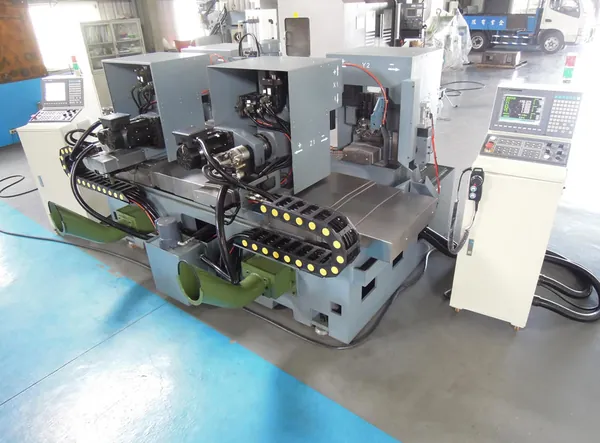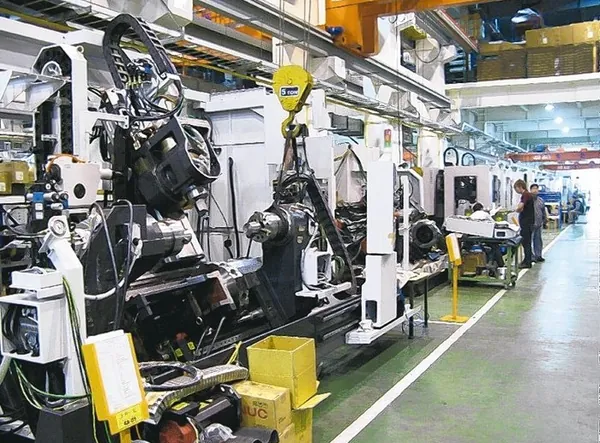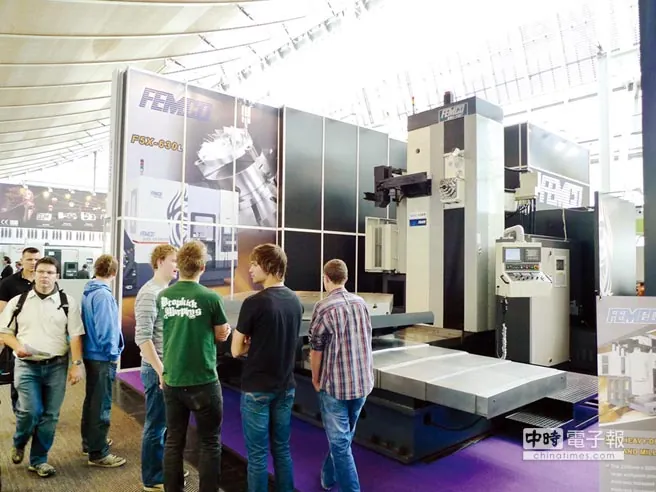
Every kind of manufacturing depends on machine tools. Taiwan’s machine tool industry is more than sixty years old and comprises around 1,400 companies. Output was estimated at NT$151.4 billion in 2014 with exports of about NT$116.3 billion, keeping Taiwan fourth in the world.
Taiwan’s machine tools are highly competitive on price and performance, but the industry has learned through successive market cycles that efficiency and consistent quality are what buyers weigh most heavily. The route forward is a complete domestic supply chain, stronger local capability in key components such as controllers, and Productivity 4.0 solutions that raise the added value of the machines themselves.
The Ministry of Economic Affairs has been promoting smart manufacturing through a twin strategy of smart design and manufacturing, and manufacturing services. The first brings end-user production and machining requirements into the design stage using ICT; the second widens the industry’s scope from selling machines to providing an all-round service.
Regional economic integration matters too. For an economy as dependent on trade as Taiwan, agreements such as the TPP, RCEP, ITA and the ECFA goods trade agreement are all significant.
With government backing and industry participation, research institutes have been helping manufacturers develop intelligent value-added software and lift the level of intelligence in Taiwanese machine tools. The stated goal was for machine tool output to reach NT$200 billion by 2020.
Source: Commercial Times, interview compiled by Chen Tsung-ching. The full article is available in Chinese on our Chinese site.